
- St. Petersburg, Polyustrovsky Prospekt 32
- booking@extrip.su
A rental car breakdown can turn a smooth trip into a stressful situation, especially if you're unfamiliar with the area or traveling for business. While modern vehicles are generally reliable, mechanical failures can happen unexpectedly. Knowing the proper steps to take when your rental car breaks down will help you resolve the situation quickly, protect yourself from liability, and minimize disruption to your travel plans.
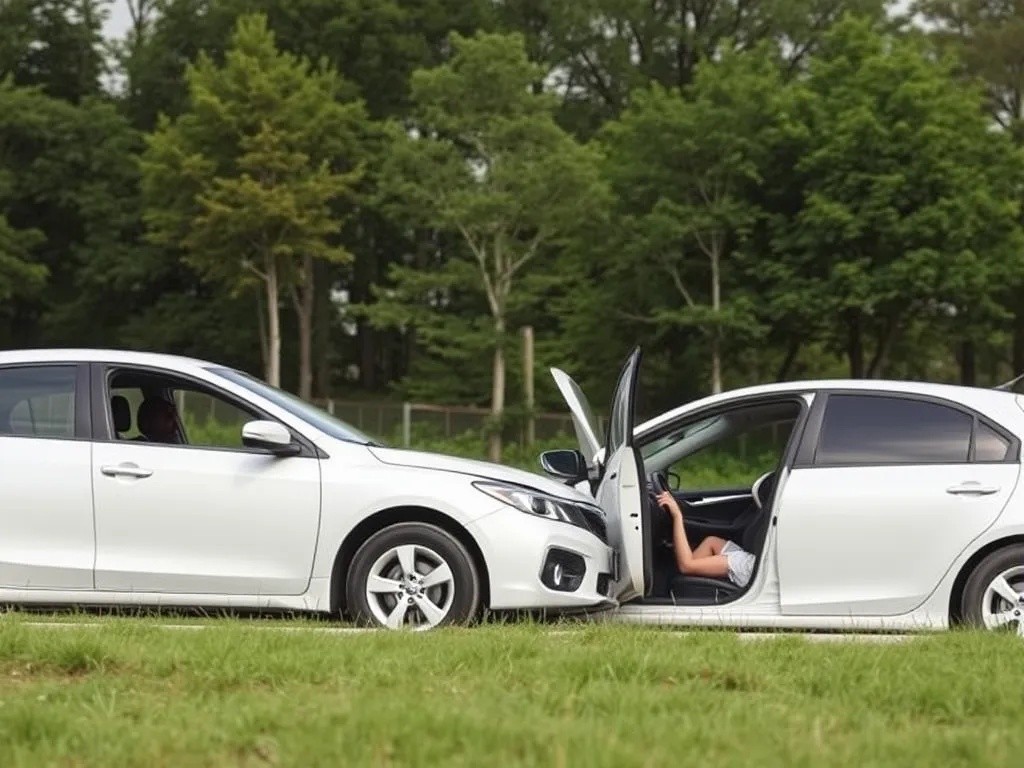
Your first priority when experiencing mechanical problems is ensuring your safety and that of your passengers. Before addressing paperwork or calling the rental company, take these critical safety measures.
If you notice warning lights, strange noises, or declining performance, try to safely exit traffic as soon as possible. Pull onto the shoulder of the highway, into a parking lot, or onto a side street. Turn on your hazard lights immediately to alert other drivers. If the vehicle becomes inoperable in traffic, stay inside with seatbelts fastened until help arrives, unless there's an immediate danger like fire or smoke.
Once safely stopped, evaluate what's happening with the vehicle. Note any warning lights on the dashboard, unusual sounds, smells, or visible issues. Check if it's something simple like a flat tire or if the engine has completely failed. Take photos of the dashboard, any warning indicators, and the vehicle's position. This documentation will be valuable when communicating with the rental company.
After ensuring safety, your next step is notifying the rental agency. Most companies provide 24/7 roadside assistance specifically for situations like this.
The rental agreement should include an emergency roadside assistance number. This information is typically on the key tag, rental agreement, or a card in the glove compartment. If you can't locate it, call the main rental office number, which should have an after-hours emergency option. Save these numbers in your phone when you first pick up the rental to avoid searching during an emergency.
When speaking with the rental company representative, be prepared to provide:

Depending on the situation and rental company policies, several solutions may be available to get you back on the road.
Most major rental companies include complimentary roadside assistance coverage. They'll typically send a tow truck to transport the vehicle to the nearest authorized repair facility or rental location. The company should arrange and pay for this service directly. Ask the representative for an estimated arrival time and the name of the towing company to watch for.
If the breakdown isn't immediately fixable, the rental company should provide a replacement vehicle at no additional charge. They may deliver it to your location, have you picked up, or arrange for you to retrieve it from a nearby branch. Confirm the replacement process, including how long it will take and whether you'll face any gaps in coverage or transportation.
If you're stranded and the rental company cannot provide immediate assistance, you may need to arrange alternative transportation like a taxi or rideshare service. Keep all receipts and request reimbursement guidelines from the rental representative. Many companies will cover reasonable expenses, but get approval before incurring significant costs.
Proper documentation protects you from potential charges and ensures smooth resolution of the incident.
Document the breakdown thoroughly with photos and notes. Include images of the dashboard, the vehicle's exterior showing its location, any visible damage or mechanical issues, and the odometer reading. Write down the time of the breakdown, weather conditions, and what you were doing when the problem occurred. Also note the names of any rental company representatives you speak with and reference numbers for your calls.
Request or complete an incident report with the rental company detailing the breakdown. This official record protects you if questions arise later about the vehicle's condition or your responsibility. Ask for a copy of this report for your records and confirm that it notes the breakdown was due to mechanical failure, not driver error or negligence.
Generally, you're not responsible for mechanical breakdowns due to normal vehicle failure. However, understanding potential charges helps you avoid unexpected costs.
Legitimate mechanical failures from normal use should not result in charges. You shouldn't pay for towing, repairs, or replacement vehicle costs when the breakdown results from the rental company's failure to properly maintain the vehicle. Most rental agreements explicitly state that mechanical breakdowns are the company's responsibility.
You may face charges if the breakdown resulted from misuse, such as running out of fuel, using the wrong fuel type, off-road driving when prohibited, or ignoring warning lights for extended periods. If you continued driving despite warning indicators or failed to notify the company promptly about developing problems, liability questions may arise. Always document that you used the vehicle normally and addressed issues immediately when they appeared.
Once the immediate situation is resolved, take steps to ensure the incident doesn't affect your travel plans or finances.
Confirm any changes to your rental agreement resulting from the breakdown. If you received a different vehicle category, verify you're not being charged upgrade fees. Ensure that rental days lost due to the breakdown are credited or that your rental period is extended without additional cost. Get written confirmation of any agreement modifications.
If you incurred expenses due to the breakdown, submit reimbursement requests promptly with all supporting documentation. Keep copies of everything you submit. If the rental company fails to resolve the situation satisfactorily, escalate through their customer service channels and consider filing complaints with consumer protection agencies or your credit card company if you purchased coverage through them.
While you can't prevent all mechanical failures, some precautions reduce your risk of breakdowns and ensure you're prepared if problems occur.
Inspect the rental car thoroughly before leaving the lot, checking tire condition, fluid levels, and warning lights. Take photos of the dashboard showing no warning indicators. Familiarize yourself with the vehicle's features and controls. Save emergency contact numbers in your phone immediately. Keep the rental agreement accessible. If you notice any issues during your rental period, report them promptly rather than hoping they'll resolve themselves.
A rental car breakdown is inconvenient but manageable when you know the proper steps. By prioritizing safety, documenting thoroughly, and understanding your rights, you can navigate the situation effectively and get back to your travels with minimal disruption.