For decades, renting a vehicle followed an unchanging, often frustrating script. Travelers arriving at an airport had to line up at corporate rental counters, navigate aggressive upselling for insurance, and accept whatever generic economy sedan happened to be left in the lot. The traditional car rental industry operated as a rigid oligopoly, leaving little room for personalization, flexibility, or competitive pricing.
However, the digital sharing economy—which famously transformed hospitality through Airbnb—has fundamentally disrupted transport. Peer-to-peer (P2P) car rental platforms have emerged as a dominant force in modern mobility. By matching local car owners looking to monetize their idle vehicles with independent tourists seeking a more authentic, convenient, and cost-effective ride, these platforms are permanently changing how we explore the world on four wheels.
What is Peer-to-Peer Car Rental?
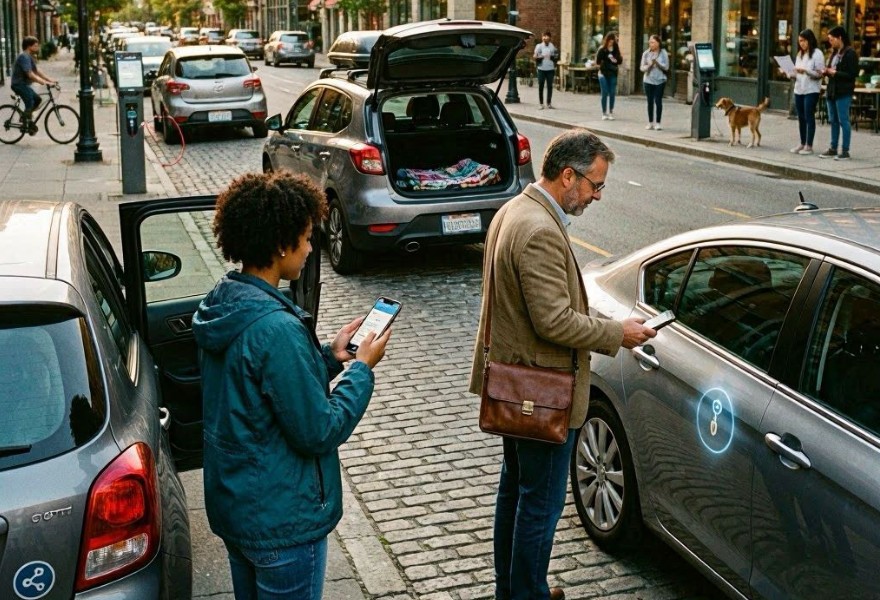
At its core, P2P car rental operates as a decentralized marketplace. Instead of a centralized company owning and maintaining a massive fleet of vehicles, platforms like Turo, Getaround, and SnappCar act as digital matchmakers.
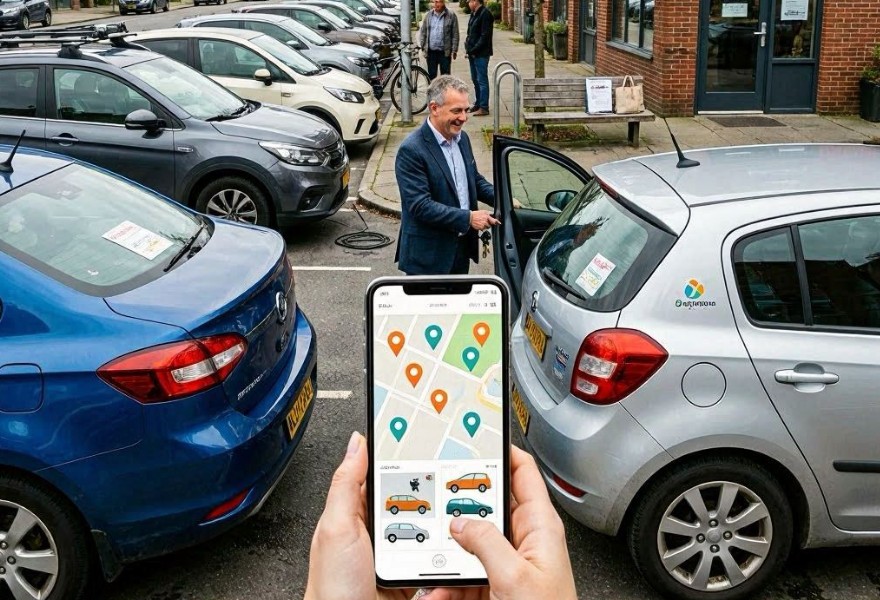
Local hosts list their personal vehicles on an app, setting their own prices, availability, and pickup rules. Travelers browse a diverse hyper-local catalog, chat directly with the owner, and book the exact car they want. The platform handles the underlying digital infrastructure, processing secure payments, verifying driver identities, and providing specialized insurance wrappers to protect both parties during the rental period.
Why Travelers and Locals are Embracing P2P Car-Sharing
The explosive growth of P2P platforms is driven by tangible benefits that traditional corporate rental agencies simply cannot replicate. Both consumers and vehicle owners find immense value in this decentralized model.
1. Unmatched Vehicle Diversity
When booking through a traditional agency, you select a general category, such as "Compact" or "Intermediate SUV," with no guarantee of the exact make, model, or color. P2P platforms turn this model on its head. If you book a specific 2023 metallic-gray Ford Mustang or a rugged Jeep Wrangler with a rooftop tent on a P2P app, that is exactly the vehicle you will be driving. From affordable city runabouts and family minivans to vintage convertibles and high-end electric vehicles like Teslas, the choices are virtually limitless.
2. Convenience and Custom Deliveries
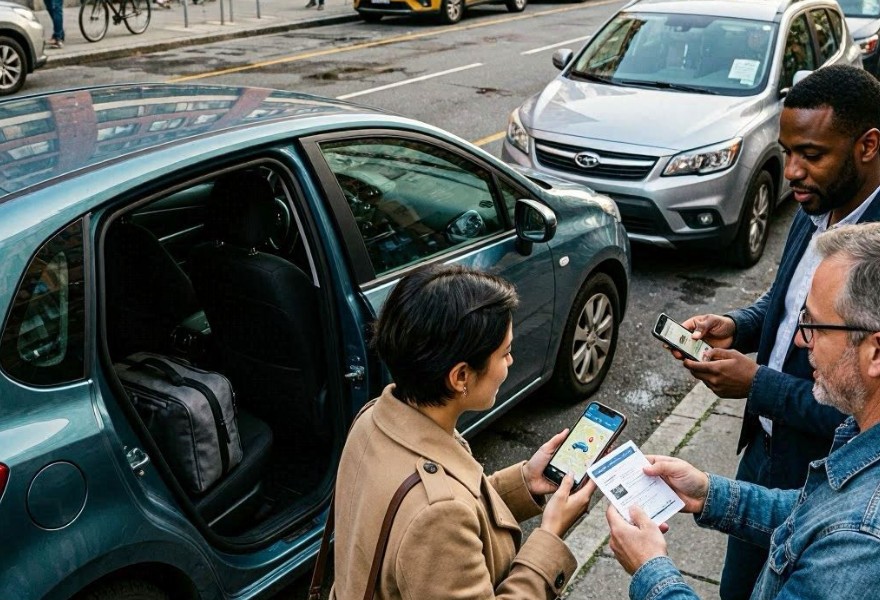
Traditional rentals require navigating congested airport shuttle buses and waiting in tedious terminal lines. P2P car sharing offers far more flexible logistics. Many hosts offer custom delivery options for a small fee or even free of charge. They can drop the car off directly at your hotel curb, a specific subway station, or leave it parked in the airport short-term lot equipped with a remote lockbox for instant, contactless pickup.
3. Economical Advantages for Both Sides
For independent tourists, P2P options are frequently 20% to 40% cheaper than traditional agencies, especially during peak holiday seasons when corporate prices skyrocket. For local vehicle owners, the platform serves as a powerful passive income stream. An idle car that normally costs money in maintenance and insurance suddenly transforms into a cash-generating asset that can help pay off its own auto loan.
The Behind-the-Scenes Mechanics: Insurance and Trust
The rapid scaling of this industry would be entirely impossible without sophisticated solutions to the twin challenges of safety and trust. Trusting a complete stranger with your second-most expensive asset requires robust institutional backing.
Comprehensive Insurance Wrappers
The primary barrier for hesitant hosts was historically the fear of accidents. P2P platforms solved this by partnering with major global insurance companies. When a rental trip begins, the owner’s personal auto insurance is temporarily paused, and the platform’s commercial policy takes over. This provides multi-million-dollar liability coverage, comprehensive collision damage protection, and 24/7 roadside assistance, completely insulating the host from financial ruin if a traveler crashes the vehicle.
Two-Way Rating Systems
Similar to Uber, P2P platforms rely heavily on community accountability. After every trip, both the host and the guest rate each other. Travelers can read detailed reviews about a car’s cleanliness and a host’s punctuality before booking. Conversely, hosts can reject booking requests from travelers who have a history of returning cars dirty or violating speed limits.
Current Challenges and Regulatory Hurdles
Despite its massive rise, the P2P car rental sector faces growing pains. Major airports are increasingly cracking down on P2P pickups, pushing to force these platforms to pay the same commercial taxi fees and airport taxes that traditional rental agencies face. Additionally, as the market matures, some regions are seeing a shift from casual individual hosts to commercial "micro-fleet" operators who manage dozens of cars, which can sometimes dilute the personalized, community-centric charm of the original platform model.
Conclusion
The rise of peer-to-peer car rental platforms represents a permanent paradigm shift in travel logistics. By democratizing vehicle access, maximizing existing local resources, and offering unprecedented variety and convenience, P2P car sharing has successfully broken the old corporate monopoly. For modern independent tourists, the road trip of tomorrow is no longer about accepting whatever keys are handed to you across a plastic counter—it is about picking the perfect car, connecting with a local host, and driving away with total freedom.
