Car rentals have always mirrored how people travel - from business hubs to vacation hotspots. Today, the industry is shifting under pressure from sustainability goals, AI-driven expectations, new mobility habits, and fluctuating regulations. The future of car rentals will not be a single trend. It will be a combination of technology, cleaner operations, and customer-first design that makes renting feel less like a transaction and more like a service.
1) From keys to platforms - the technology shift
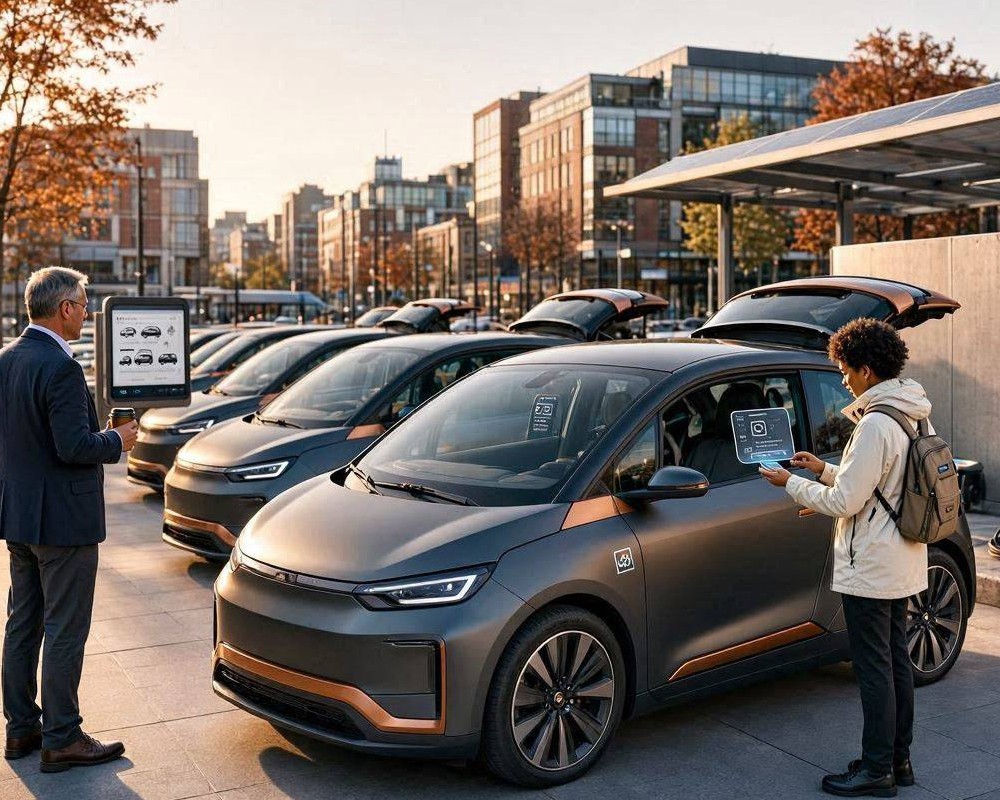
In the near future, the rental experience will be governed by software rather than desks. Customers will expect fast booking, transparent pricing, and frictionless pickup. This requires a connected ecosystem: reservations, vehicle access, identity checks, and support should all work in one flow.
AI for smarter matching and pricing
Artificial intelligence will increasingly help companies match vehicles to customers based on purpose, route type, seasonal demand, and driver profile. Pricing will also become more dynamic, not only by location and availability, but by demand signals such as events, weather patterns, and local road restrictions.
- Better vehicle recommendations for business, family, or long-distance trips
- Proactive alerts for maintenance windows and route limitations
- Transparent policies presented in plain language during booking
Contactless pickup and digital verification
Digital IDs, app-based verification, and automated check-in will reduce queues. Instead of waiting at a counter, renters will likely receive a guided process: confirm documents, choose options, review vehicle condition, and access the car through a secure method. This will raise speed, but also demand stronger privacy and fraud prevention.
2) Sustainability becomes operational, not just marketing
Environmental pressure is pushing rental companies to rethink their fleet strategy. The future will reward operators that can manage cleaner vehicles efficiently - not just those that add electric cars to brochures.
EV and hybrid fleets - with realistic planning
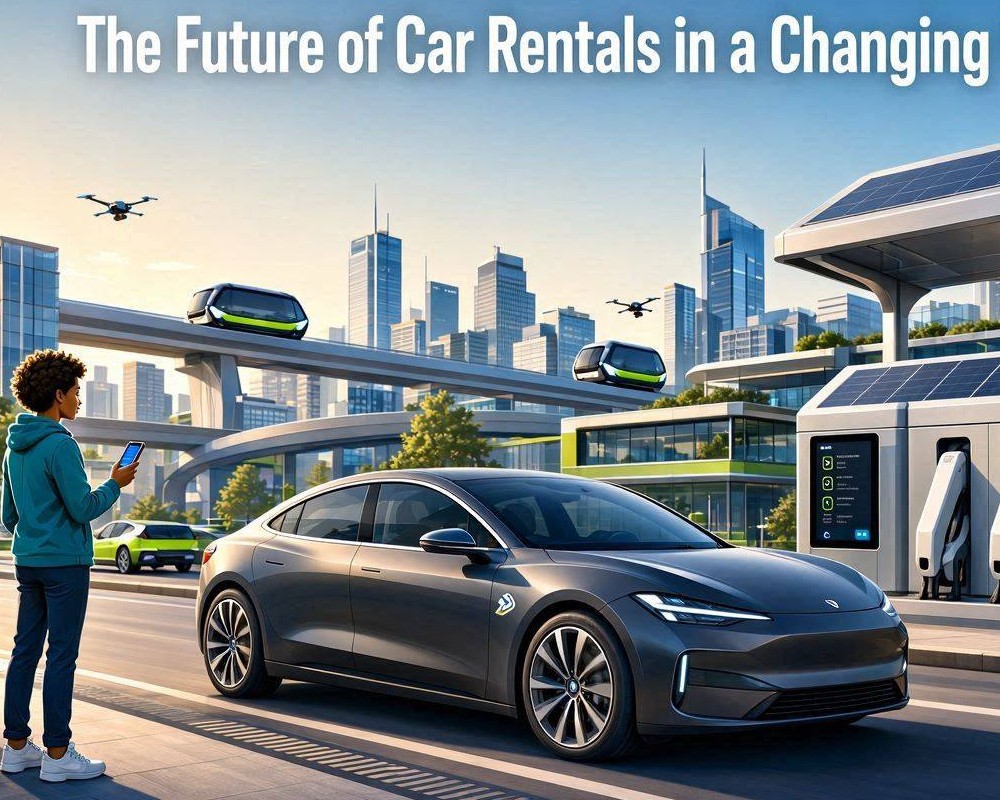
Electric vehicles and hybrids will gain share, but their adoption will depend on charging infrastructure, total trip length, and convenience at pickup and drop-off. Companies will need dependable battery health monitoring, clear charging guidance, and carefully chosen stations for high-demand regions.
Lower emissions through fleet lifecycle management
Sustainability also includes how cars are sourced, maintained, and retired. Fleet managers will use predictive maintenance to avoid waste, extend component life, and reduce downtime. Battery replacement policies, refurbishment for certain vehicle parts, and streamlined logistics for inspection and cleaning will become competitive advantages.
3) Pricing and policies will evolve for real-world flexibility
Consumers increasingly want control. Instead of rigid rates and penalties, the industry will offer flexible options that reflect how people actually travel - changes in flight schedules, unexpected road closures, or shifting itineraries.
Modular rental products
Future car rental plans will look more like bundles. Customers can add protection, mileage preferences, or additional drivers without feeling they are buying a one-size-fits-all package. The goal is to keep the base price simple and let value scale with needs.
- Flexible return windows with clear cost logic
- Insurance options explained by risk scenarios, not jargon
- Mileage or route-based pricing for predictable trips
Fairness via real-time policy communication
When rules change due to local conditions, customers should see updates immediately. For example, holiday surcharges, restricted zones, or vehicle substitution policies should be communicated in real time and confirmed before the booking locks in.
4) Mobility ecosystems - car rental joins a broader travel journey
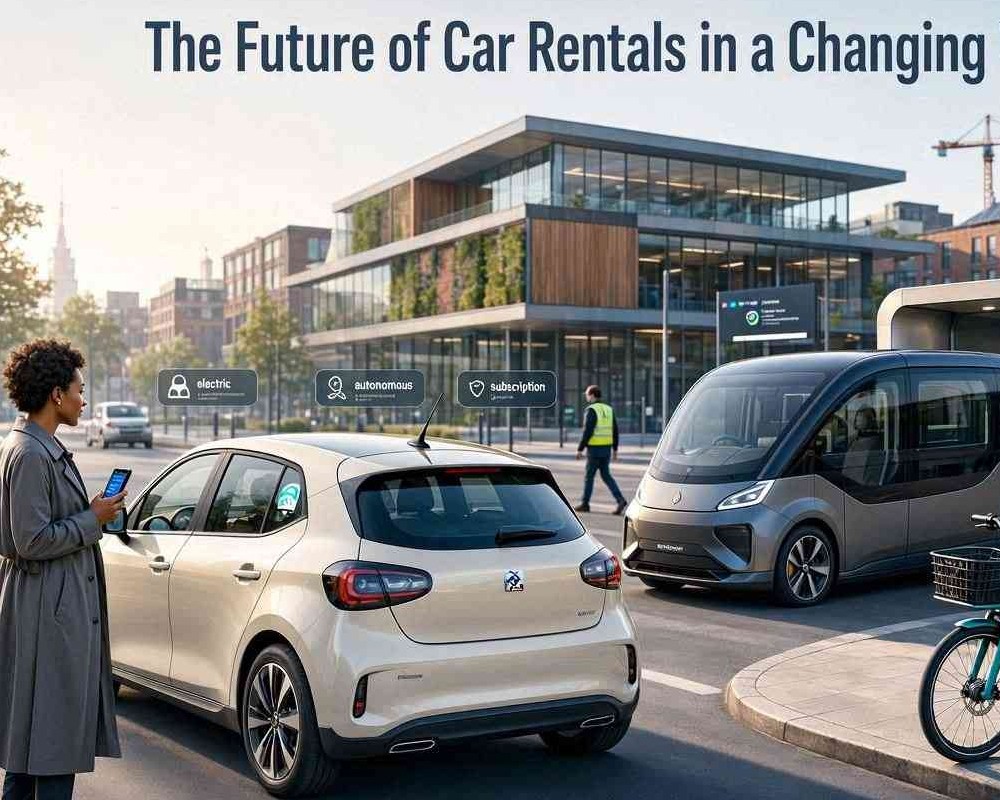
Car rentals will increasingly integrate with public transportation, ridesharing, and subscription mobility models. Travelers want door-to-door convenience, not isolated services.
Partnerships with airlines, hotels, and local transit
Expect stronger bundling: rental offers embedded into flight confirmation emails, loyalty programs shared with hotels, and joint promotions with airports and city transport operators. This reduces search time and builds trust through known partners.
Short-term access versus long-term ownership
Subscriptions and pay-as-you-go models may expand, especially in urban areas where parking and maintenance are costly for individuals. While traditional rentals remain essential, a hybrid marketplace will likely form - daily or weekly rentals for trips, subscriptions for recurring needs, and access plans for specific use cases.
5) Safety, compliance, and data - the unglamorous foundation
As rentals become more automated, the hidden work of compliance and safety intensifies. Companies must handle data responsibly, ensure vehicle readiness, and meet local regulations for insurance, licensing, and vehicle inspection.
Condition transparency and continuous inspection
Digital vehicle inspections using camera-based documentation and structured checklists will reduce disputes. Future systems may also track tire pressure, brake wear indicators, and warning logs before a vehicle is released to a new renter.
Cybersecurity and privacy by design
Identity verification, payment processing, and access control depend on secure infrastructure. Customers will expect strong security practices: minimized data collection, clear consent, and safe handling of location-related information.
What this means for customers and businesses
For renters, the future promises faster pickup, more predictable costs, and vehicles that fit actual trip needs - including cleaner options. For rental businesses, success will come from integrating technology with fleet operations and from designing policies that feel fair under stress, not only under ideal conditions.
Key signals to watch
- Contactless workflows that still protect against fraud and confusion
- Meaningful EV readiness including charging guidance and maintenance reliability
- Pricing structures that are flexible and communicated upfront
- Partnerships that connect rentals to wider travel plans
The future of car rentals in a changing world will be shaped by how well the industry balances convenience with responsibility. The winners will make renting simpler, cleaner, and more resilient - turning mobility into a service that travels smoothly through uncertainty.
