
- St. Petersburg, Polyustrovsky Prospekt 32
- booking@extrip.su
Picking up a rental car often means climbing behind the wheel of a vehicle you've never driven before. While rental cars provide convenient transportation, driving an unfamiliar vehicle can present unique safety challenges. From different control layouts to varying vehicle sizes and technology features, rental cars require extra attention and preparation to operate safely. Understanding how to quickly familiarize yourself with a new vehicle and adapt your driving habits accordingly can prevent accidents and ensure a comfortable journey.
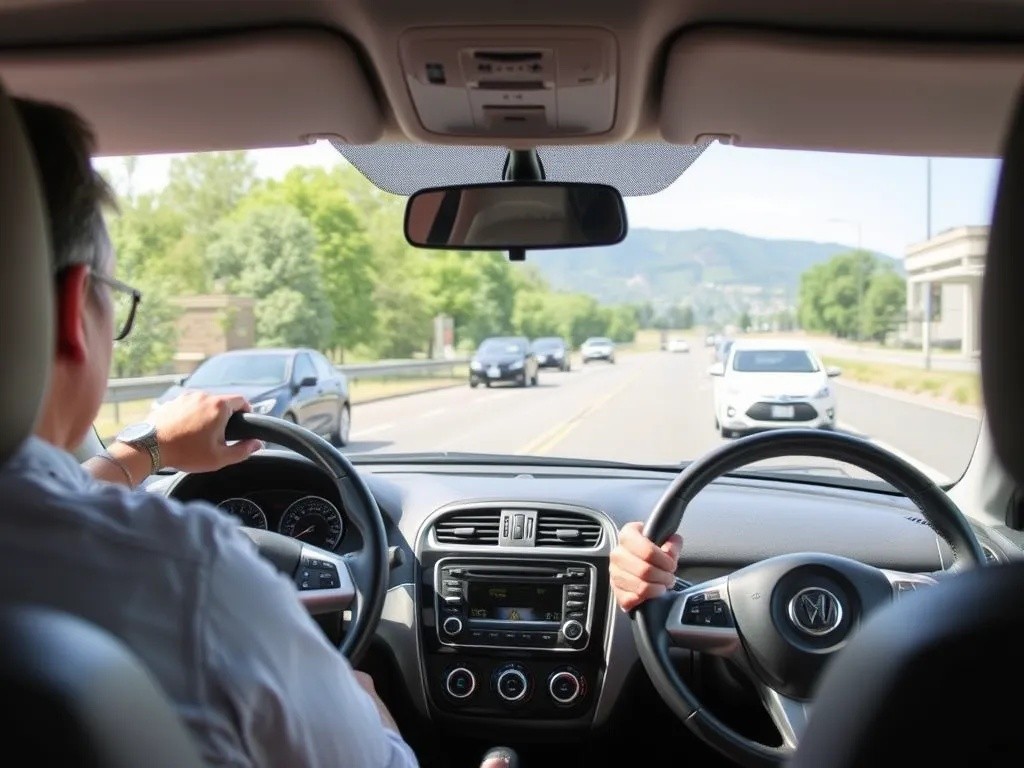
Before leaving the rental lot, invest time in thoroughly familiarizing yourself with your temporary vehicle. This crucial preparation period can prevent confusion and dangerous situations once you're on the road.
Locate and test all essential controls while the vehicle is safely parked. Understanding where everything is located eliminates the need to search for controls while driving, which diverts your attention from the road.
Proper seating position and mirror adjustment are fundamental to safe driving. Adjust the driver's seat to ensure you can comfortably reach all pedals with your foot flat on the floor. Your knees should be slightly bent when pressing pedals fully. Position the seat back so you can grip the steering wheel with slightly bent arms.
Adjust all mirrors to eliminate blind spots as much as possible. Side mirrors should show a small portion of your vehicle's side with the majority of the view showing the adjacent lane. The rearview mirror should provide a complete view of the rear window without requiring you to move your head significantly.
Different vehicles handle differently, and size variations significantly impact driving dynamics. A compact sedan drives very differently from a full-size SUV or minivan.
Take time to understand your rental car's dimensions, particularly if it's larger or smaller than your regular vehicle. Walk around the car to get a sense of its length and width. When parking or maneuvering, allow extra space until you become comfortable with the vehicle's size.
Larger vehicles require wider turning radiuses and have more significant blind spots. Smaller vehicles may feel less stable at highway speeds but offer easier parking and maneuverability. SUVs and trucks have higher centers of gravity, making them more prone to rollover in extreme maneuvers.
Each vehicle has unique braking characteristics and acceleration capabilities. In the first few miles of driving, test the brakes gently in a safe area to understand how responsive they are. Some vehicles have sensitive brakes that engage quickly, while others require more pedal pressure.
Similarly, acceleration varies widely between vehicles. Economy cars may struggle on steep inclines or when merging onto highways, requiring earlier and more deliberate acceleration. Performance vehicles or larger engines may accelerate more quickly than expected, demanding gentler throttle control.

Modern rental cars come equipped with various technology and safety features that, while beneficial, can be unfamiliar and potentially distracting if not properly understood.
Many rental cars include advanced safety features such as blind spot monitoring, lane departure warnings, forward collision alerts, and adaptive cruise control. While these systems enhance safety, they can also create confusion or false confidence if you don't understand their limitations.
Ask the rental agent about available safety features and how they operate. Read any quick-start guides provided. Remember that these systems are assistive technologies, not replacements for attentive driving. Never rely solely on technology to prevent accidents.
Complex infotainment systems can be major distractions. Before driving, spend time understanding the basic functions, particularly how to connect your phone for hands-free calling and how to operate navigation if you'll need it.
Program your destination into the GPS while parked, not while driving. If you're unfamiliar with the system and driving alone, consider using your phone's navigation with voice directions instead of struggling with an unfamiliar interface while driving.
Adapting your driving style to accommodate an unfamiliar vehicle is essential for safe operation.
Give yourself additional time to reach your destination, especially during the first few trips in the rental car. This reduces pressure and allows you to drive more cautiously while adapting to the vehicle. Maintain greater following distances than usual to account for unfamiliar braking characteristics.
Driving an unfamiliar vehicle already divides your attention as you adapt to new controls and handling. Minimize additional distractions by avoiding phone calls, limiting conversations with passengers, and keeping the radio at moderate volumes. Focus on building familiarity with the vehicle first.
If possible, practice driving in a low-traffic environment before venturing onto busy roads or highways. Empty parking lots or quiet residential streets provide opportunities to test acceleration, braking, and turning without heavy traffic pressure.

Unfamiliar vehicles respond differently to adverse weather and road conditions. If you're driving in rain, snow, or ice, exercise extreme caution. The vehicle's traction control, anti-lock brakes, and tire condition will differ from what you're accustomed to.
Reduce speed more than usual in poor conditions and avoid sudden movements. Test braking and acceleration gently in safe areas to understand how the vehicle responds on wet or slippery surfaces.
Know how to handle emergencies in your rental vehicle. Locate the spare tire, jack, and emergency tools. Understand how to access emergency services through the vehicle's communication system if equipped. Keep the rental company's roadside assistance number readily accessible in your phone.
If the vehicle has features like run-flat tires or a tire repair kit instead of a spare, understand how these systems work before you need them.
Driving an unfamiliar rental car safely requires preparation, patience, and heightened awareness. By thoroughly familiarizing yourself with the vehicle before driving, understanding its unique handling characteristics, properly utilizing technology features, and adapting your driving strategies, you can significantly reduce safety risks. Remember that taking extra time for preparation and driving more cautiously during your initial trips in a rental car isn't excessive caution—it's responsible driving that protects you, your passengers, and others on the road.