Why rental cars are used for moving
Relocation is one of the most common practical reasons people rent vehicles. Whether moving between apartments, relocating for work, or transporting belongings to storage, rental cars provide a flexible alternative to professional moving companies.
They are especially useful for short-distance moves where hiring a full-scale moving service would be unnecessarily expensive or logistically complex.
In many cases, rental vehicles bridge the gap between personal transport capacity and larger freight services.
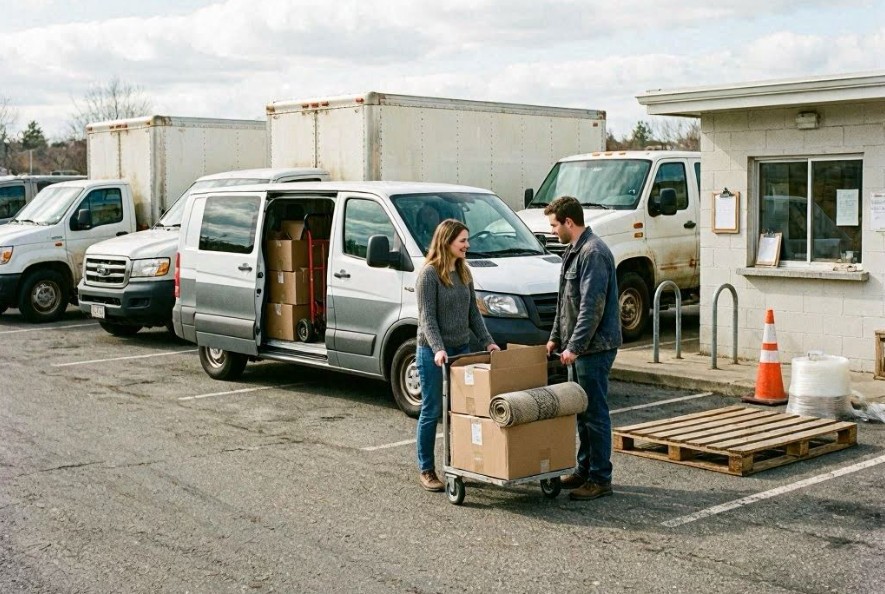
Types of rental vehicles for moving tasks
The choice of vehicle has a direct impact on efficiency, cost, and safety during relocation. Different vehicle categories serve different load requirements.
Common vehicle options
- Station wagons: suitable for small apartments or limited belongings
- Compact SUVs: flexible option for moderate luggage and furniture
- Full-size SUVs: increased cargo space and weight capacity
- Vans and minivans: most practical for full household moves
For larger relocations, cargo vans are typically the most efficient option due to their flat loading space and higher volume capacity.
When rental cars make more sense than moving companies
Professional moving services are convenient but not always cost-effective. Rental vehicles become more attractive under specific conditions.
Short-distance moves, partial relocations, or situations where belongings are minimal often do not justify the cost of full-service movers.
Ideal scenarios for rental-based moves
- Studio or one-bedroom apartment relocations
- Single-person or student moves
- Transporting selected furniture or boxes only
- Temporary storage transfers
In these cases, self-managed transport offers greater control over timing and cost.
Cost structure of rental moving
Rental cars for moving are typically charged by time and distance, with additional costs depending on fuel usage, insurance, and optional equipment.
Unlike moving companies that bundle labor and logistics, rental-based moving shifts responsibility entirely to the renter, which reduces service costs but increases planning requirements.
Cost efficiency depends heavily on trip length, loading efficiency, and number of required trips.
Planning a relocation with a rental vehicle
Successful relocation using a rental vehicle requires structured planning. Without proper organization, multiple trips or inefficient packing can significantly increase time and cost.
Key planning steps
- Estimate total volume of items to be moved
- Choose appropriate vehicle size
- Plan loading sequence for efficiency
- Map route and parking access points
- Schedule pickup and return times carefully
Efficient planning reduces unnecessary mileage and minimizes physical strain during loading and unloading.
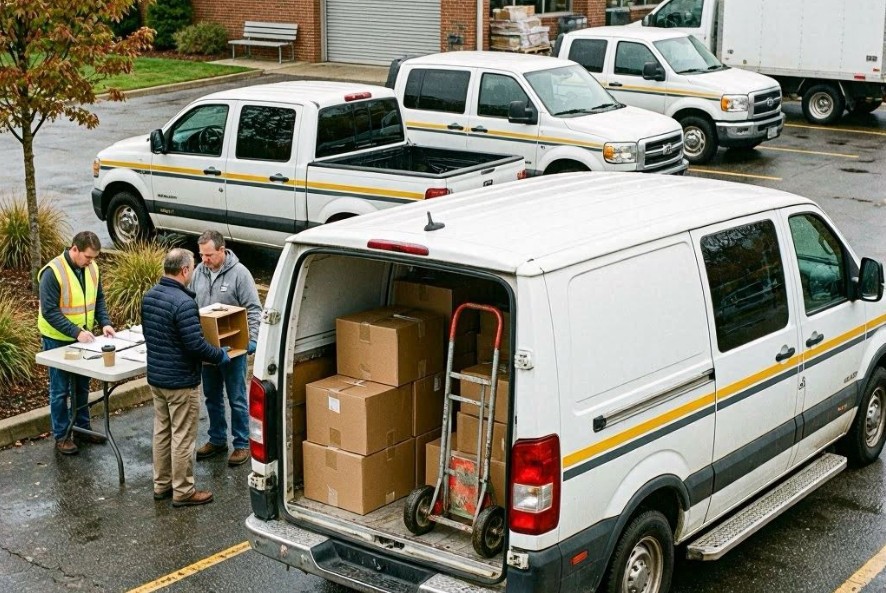
Packing strategies for rental-based moves
Unlike professional movers, individuals using rental vehicles must optimize space usage themselves. Proper packing techniques can significantly increase carrying capacity.
Effective packing methods
- Use uniform-sized boxes for stacking efficiency
- Place heavy items at the bottom for stability
- Disassemble large furniture when possible
- Fill gaps to prevent movement during transit
These strategies reduce damage risk and maximize usable cargo space.
Insurance considerations during relocation
Standard rental insurance may not always fully cover moving-related usage, especially when transporting heavy or bulky items.
It is important to review rental terms carefully to ensure that cargo use is permitted and that liability coverage is adequate.
Additional coverage may be necessary for high-value items or long-distance relocations.
Common challenges in rental-based moving
While flexible, using rental cars for relocation comes with practical challenges that require attention.
Frequent issues
- Limited cargo space compared to expectations
- Multiple trips increasing time and cost
- Parking and loading difficulties in urban areas
- Risk of damage to rented vehicle interior
These challenges are often manageable but require preparation and realistic planning.
Urban vs suburban relocation differences
The effectiveness of rental-based moving varies significantly depending on environment. Urban relocations often involve tighter parking, elevators, and restricted loading zones.
Suburban or rural moves typically allow easier vehicle access and faster loading processes.
These differences can influence both vehicle choice and overall relocation strategy.
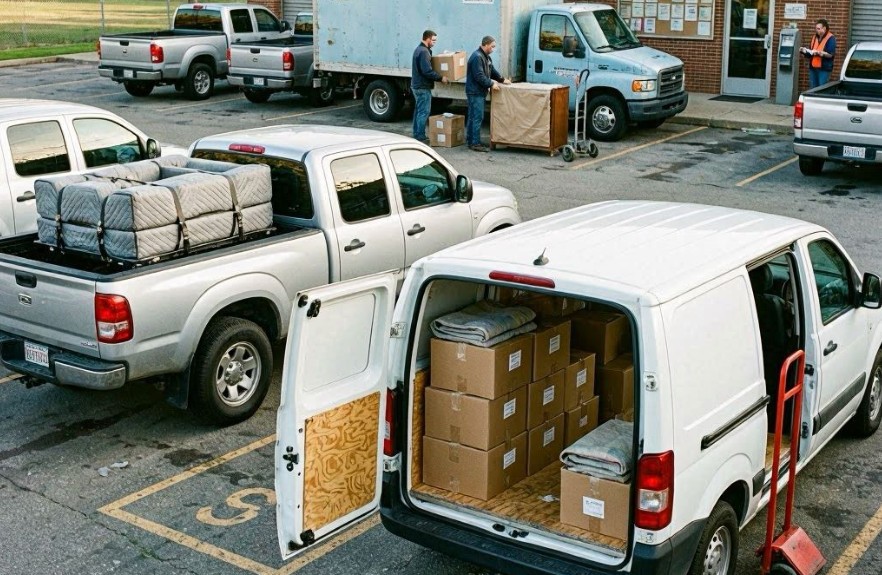
Efficiency tips for faster moves
Time efficiency is a critical factor when using rental vehicles, especially when rentals are charged hourly or daily.
Practical efficiency improvements
- Pre-pack all items before vehicle pickup
- Reserve loading zones in advance when possible
- Use multiple helpers for simultaneous loading
- Optimize route to minimize backtracking
Small improvements in coordination can significantly reduce total relocation time.
Conclusion: flexible logistics for modern relocation
Rental cars offer a practical and flexible solution for many relocation scenarios, particularly small to medium-scale moves.
While they require more personal effort than professional movers, they provide greater control over timing, cost, and logistics.
For many individuals, rental-based relocation represents a balanced approach between convenience and affordability in modern urban mobility.
