Remote work has evolved from a temporary arrangement into a long-term strategy. For many professionals, the challenge is not only getting to a job site - it is staying productive once you arrive. A reliable car rental can remove logistical friction, protect your schedule, and ensure you have dependable access to suppliers, client meetings, and on-site requirements.
This guide focuses on practical, expert considerations for choosing car rentals for remote work locations, especially where public transport is limited and weather conditions may affect travel reliability.
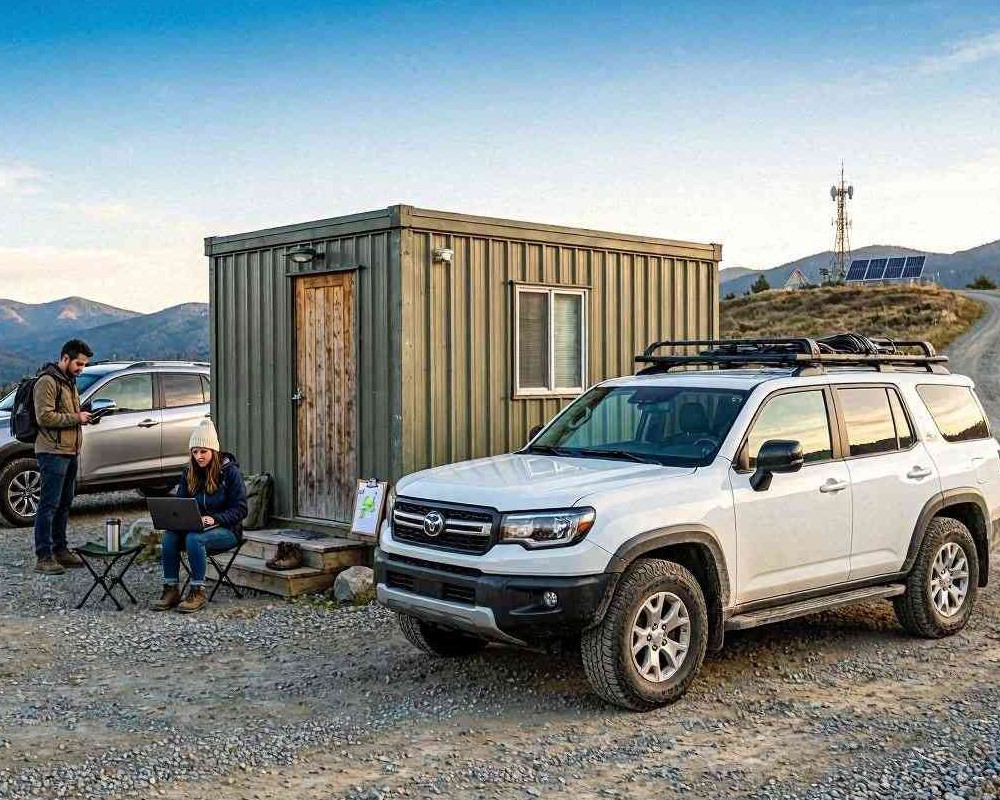
Why a Reliable Rental Matters in Remote Areas
In cities, you can often solve problems with rideshares, taxis, and frequent transit. In remote locations, your vehicle becomes the backbone of the plan. A poor rental decision can lead to missed appointments, delayed deliveries, and stress when roads are unfamiliar or services are limited.
- Time-critical access: You can move between job sites without waiting for transport.
- Operational continuity: Reliable vehicles support daily workflows and equipment runs.
- Risk reduction: Good coverage and proper vehicle selection help handle breakdowns and weather.
- Cost predictability: Thoughtful planning prevents last-minute upgrades and emergency solutions.
Key Factors to Check Before Booking
Before choosing a rental company or vehicle, evaluate the variables that most directly affect dependability and total cost.
1) Vehicle suitability for your route
Remote work locations often mean uneven roads, long stretches of highway, gravel access, or seasonal conditions. Choose a vehicle that matches the environment rather than only the distance.
- All-wheel drive or four-wheel drive for unpaved roads and low traction.
- Higher ground clearance if you expect rough terrain or flooding risks.
- Fuel efficiency for long distances between stations or towns.
- Sufficient cargo space for laptops, tools, samples, safety gear, or boxes.
2) Pickup and return logistics
A convenient pickup point is important, but in remote work the real win is clarity. Confirm the exact pickup procedure, document requirements, and return window to avoid delays.
- Verify office hours and after-hours return options.
- Ask about the location of fuel stations and recommended fuel type.
- Confirm mileage policies - especially if your schedule includes daily site-hopping.
- Check whether a shuttle is provided if you are landing at a distant airport.
3) Insurance and coverage transparency
Coverage can make or break your experience. Look for a policy that is easy to understand and aligned with your trip reality.
- Collision and comprehensive coverage, including weather-related damage.
- Roadside assistance with a clear response process.
- Deductible terms and how claims are handled locally.
- Exclusions for off-road driving, modified vehicles, or certain terrains.
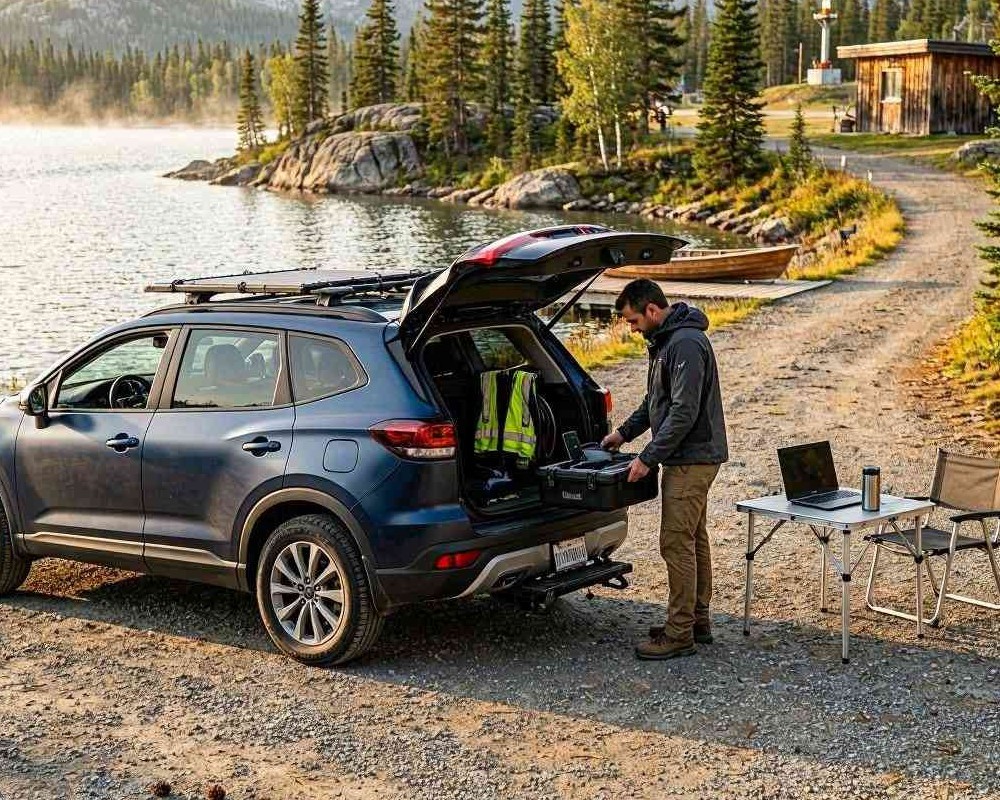
Choosing the Right Vehicle Category
Most rental problems in remote areas come from mismatched vehicle needs. Use a simple selection framework: terrain, distance, passengers, and cargo.
For solo work and short site hops
- Compact or midsize sedans for paved routes and manageable cargo needs.
- Automatic transmission for smoother fatigue control on long drives.
- Modern safety features if you will travel at night or in rain.
For groups, field equipment, and frequent travel
- Minivans or SUVs for passenger comfort and storage.
- Roof rack compatibility if you transport larger equipment or protective gear.
- Spacious interiors to keep work materials organized and secure.
For rough terrain and difficult access roads
- All-wheel drive SUVs for traction and stability.
- Four-wheel drive for severe conditions, where allowed by the rental terms.
- Trailer towing capability if your project includes a small utility trailer.
Practical Tips for an Operationally Smooth Trip
Reliability is not only about the car. It is also about execution. A few disciplined steps prevent the most common on-the-road disruptions.
Do a condition walkthrough before leaving
Before driving off, inspect the vehicle and document existing damage. Take clear photos or follow the rental company’s check-in process. Note tire tread, warning lights, and fluid levels. Confirm that any requested equipment - like a GPS device or child seats - is present and functioning.
Plan your fuel and charging strategy
Remote routes can include long gaps between services. Build a conservative plan.
- Refuel earlier than expected, especially before weather changes.
- If renting an EV, confirm charging availability along your exact route.
- Keep the tank level consistent to reduce variability in energy consumption.
Use navigation and create offline backups
Signal can drop in rural areas. Download offline maps before departure. If you rely on a specific navigation app, test route guidance and confirm it can function without constant connectivity.
Keep an emergency routine
Know what you will do in the first 15 minutes after an issue. Store roadside assistance details, your rental agreement number, and a contact method in a location that works even if your phone is low on battery.
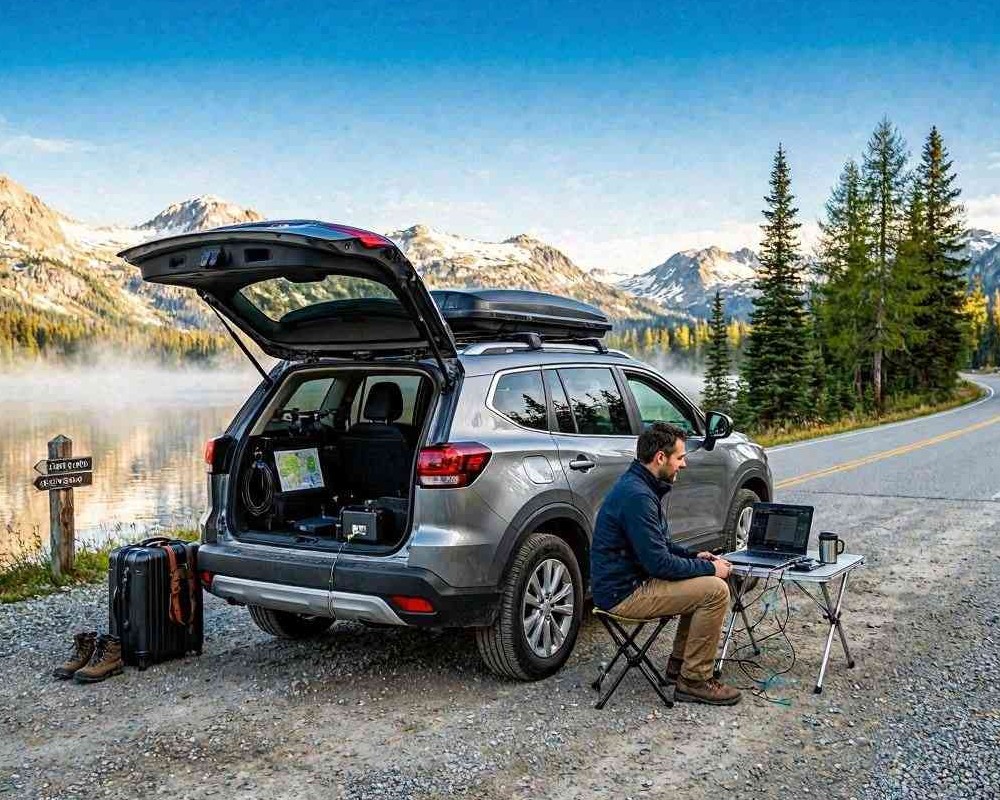
Controlling Costs Without Sacrificing Reliability
Remote work already includes expense pressure. The best cost control is aligning the rental terms with your real usage.
- Choose mileage options that match your expected daily driving.
- Avoid last-minute extensions by scheduling a return time that allows buffer for traffic and site delays.
- Consider bundling coverage when it is cheaper than separate add-ons.
- Select a vehicle that minimizes unnecessary upgrades - for example, avoid premium fuel if your itinerary does not require it.
Final Checklist for Remote Work Car Rentals
- Vehicle type matches terrain, cargo needs, and passengers.
- Pickup and return terms are clear for your schedule.
- Insurance and roadside assistance are transparent and appropriate.
- Fuel or charging plans account for remote gaps.
- Condition documentation is completed before driving away.
When you treat a car rental as an operational asset - not just transportation - your remote work trip becomes more predictable. With the right vehicle, coverage clarity, and disciplined trip planning, you can focus on delivering results instead of handling logistics.
