Why family travel still relies on the road
Despite the growth of air travel and high-speed rail, road trips remain one of the most emotionally resonant forms of family travel. The reason is simple: a car creates a shared space where the journey itself becomes part of the experience.
Family car rentals extend this idea by removing the limitations of personal vehicle ownership. They allow families to choose the right size, comfort level, and features specifically for a trip, rather than adapting to a fixed vehicle.
In many cases, the rental car becomes the central environment where conversations, planning, and spontaneous moments occur.
Flexibility as the foundation of family memories
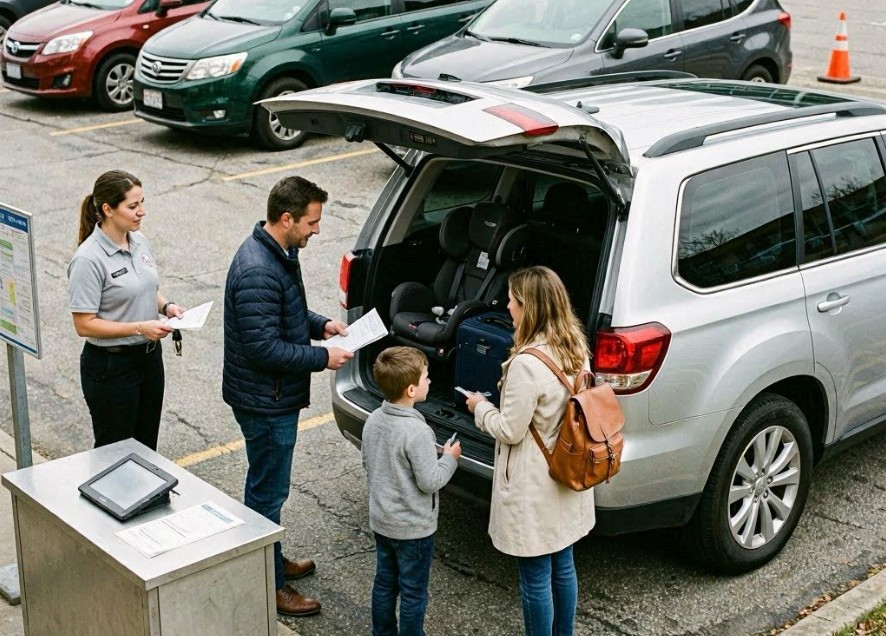
One of the strongest advantages of renting a car for family travel is flexibility. Unlike guided tours or fixed transportation schedules, a rental car allows families to control their pace entirely.
This flexibility is particularly important when traveling with children or older relatives, where pacing needs can vary significantly.
Key flexibility benefits
- Spontaneous stops at scenic locations
- Adjustable travel speed based on comfort
- Freedom to change routes on demand
- Access to remote or less-touristic destinations
This autonomy often leads to unplanned experiences, which are frequently the most memorable parts of a trip.
Choosing the right vehicle for family travel
The selection of a rental vehicle has a direct impact on comfort and overall trip satisfaction. Families typically prioritize space, safety, and convenience features.
Modern rental fleets offer a wide range of options, from standard sedans to SUVs and multi-seat vans designed specifically for group travel.
Common family rental categories
- Compact SUVs for small families
- Full-size SUVs for extended comfort and luggage
- Minivans for larger families or group travel
- Premium vehicles for long-distance comfort
Choosing the right category reduces fatigue and improves the overall travel experience, especially on longer journeys.
The car as a shared emotional space
A rental car in family travel is more than transportation—it becomes a shared emotional environment. Conversations that might not happen in everyday life often emerge naturally during long drives.
Children experience landscapes passing by in real time, while adults engage in planning, storytelling, and reflection. These shared experiences contribute to stronger emotional bonding.
The enclosed yet mobile nature of a car encourages interaction in a way that airplanes or trains often do not.
Road trips and memory formation
Psychologically, memories formed during travel tend to be stronger due to novelty, emotional intensity, and environmental change. Road trips amplify these effects because they combine movement, discovery, and shared decision-making.
Unlike destination-only travel, road trips distribute memory formation across the entire journey.
What strengthens travel memories
- Unexpected stops and discoveries
- Shared problem-solving (navigation, planning)
- Changing landscapes and environments
- Time spent together without external distractions
Comfort and convenience on long drives
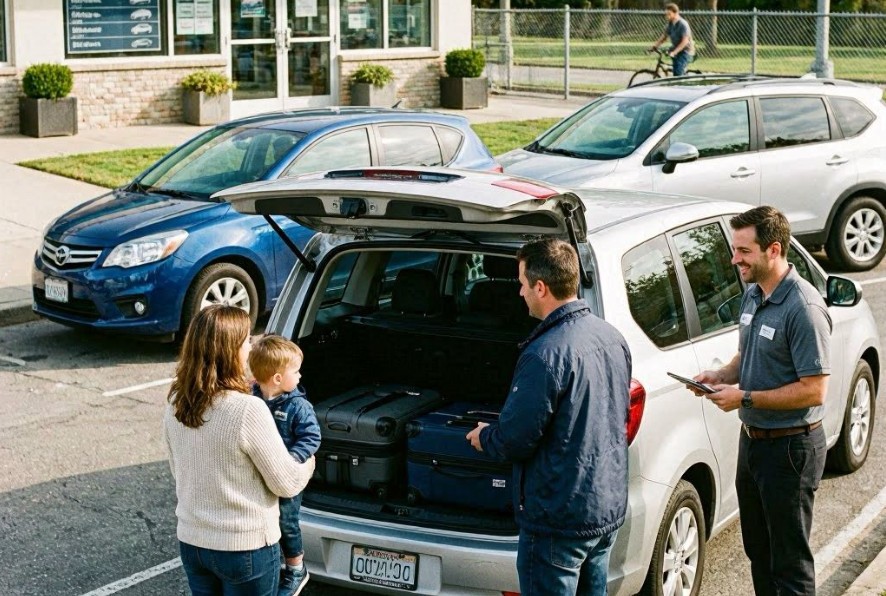
Modern family rentals are increasingly equipped with features that reduce fatigue and improve travel quality. These include climate control systems, infotainment setups, advanced seating ergonomics, and driver assistance technologies.
Such features are particularly valuable on long-distance trips where comfort directly affects mood and patience levels within the group.
Important comfort features
- Adjustable seating with lumbar support
- Multiple charging ports for devices
- Advanced navigation systems
- Driver assistance and safety sensors
Managing different travel needs within one vehicle
Family travel often involves balancing competing needs: children may require entertainment and breaks, while adults focus on timing and logistics. A rental car provides the flexibility to address both simultaneously.
Stops can be planned around rest, meals, or sightseeing without disrupting a fixed schedule.
This adaptability reduces stress and improves group harmony during travel.
Cost efficiency compared to alternatives
In many cases, renting a car for family travel can be more cost-effective than purchasing multiple transport tickets or relying on taxis and rideshares throughout a trip.
It also allows for consolidated travel expenses, which can be easier to manage and predict.
When shared among several travelers, the cost per person often becomes highly competitive compared to other transport modes.
Creating meaningful shared experiences
Beyond logistics, the emotional value of family car rentals lies in shared experiences. Whether it is singing during a drive, exploring unexpected places, or simply watching landscapes change together, these moments often become defining memories of a trip.
The car becomes not just a vehicle, but a temporary home on wheels where stories are created in real time.
Conclusion: the journey becomes the memory
Family car rentals transform travel from a sequence of destinations into a continuous shared experience. The ability to move freely, adapt plans, and spend uninterrupted time together strengthens both the practicality and emotional depth of the journey.
In the end, the most lasting memories are often not tied to where the family went, but to what happened along the way.
