Weather can influence almost every part of a car rental, from vehicle availability and daily rates to fuel consumption and driving safety. A model that performs well on dry city streets may be unsuitable for an icy mountain road or a flooded rural route. Understanding local conditions before booking helps you choose the right vehicle, avoid unexpected charges, and travel with greater confidence.
Choosing a Rental Car for the Forecast
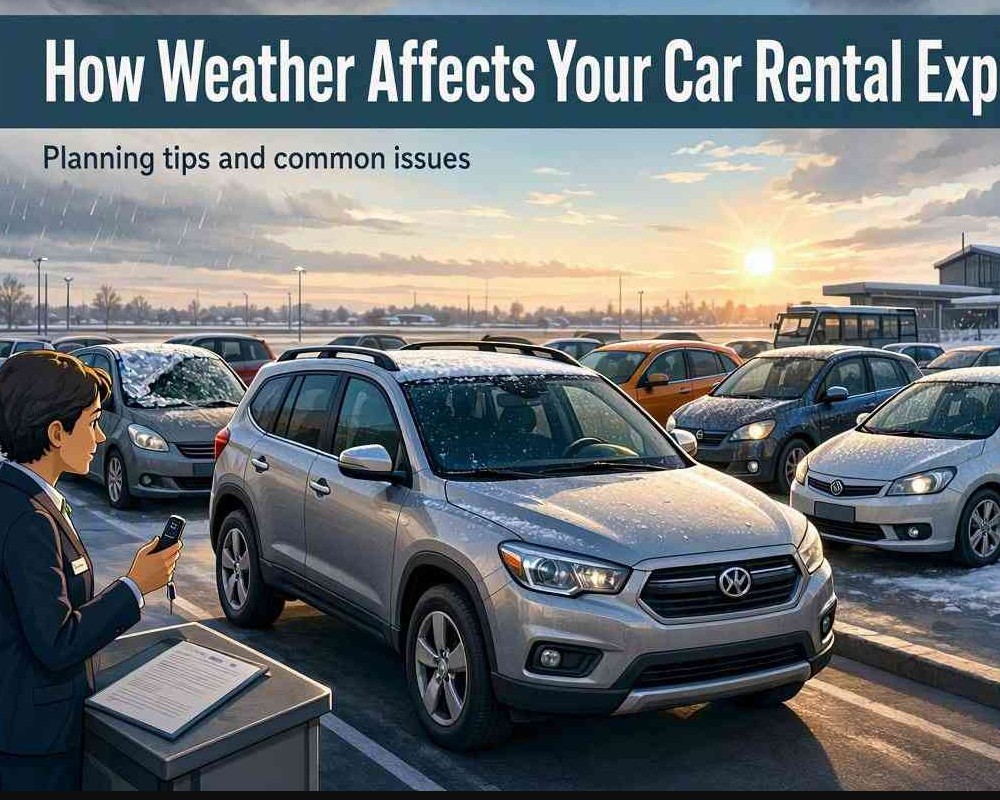
The lowest-priced vehicle is not always the most practical option. Check the forecast for your destination and every region on your planned route. Temperatures, elevation, road surfaces, and seasonal weather patterns should guide your decision.
Rain and Wet Roads
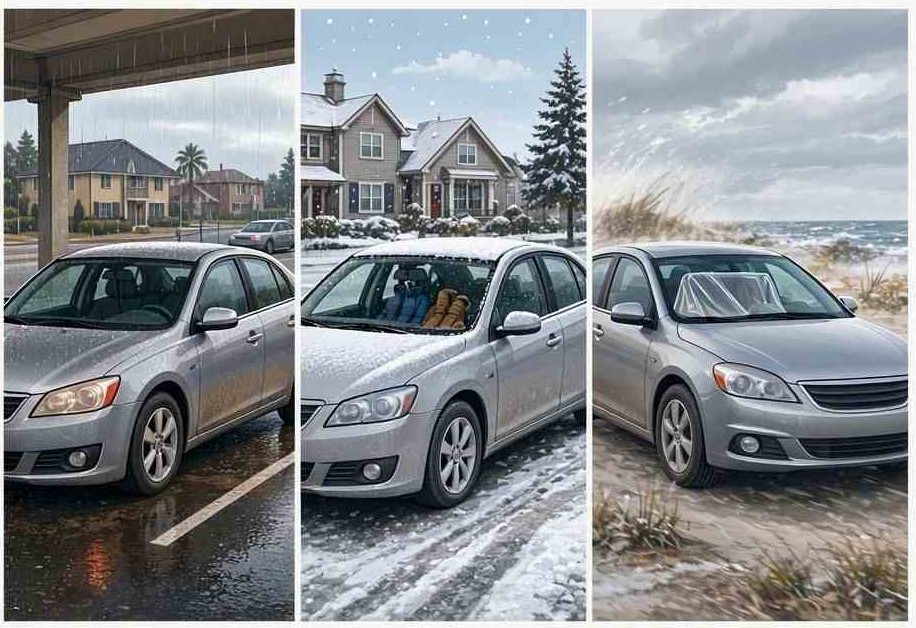
Heavy rain reduces visibility and increases braking distance. Compact cars are usually adequate for maintained urban roads, but a vehicle with good tire tread, effective windshield wipers, and modern stability control offers additional reassurance. Avoid assuming that an SUV cannot hydroplane. Vehicle weight and all-wheel drive do not replace careful speed management.
Snow and Ice
For winter travel, ask the rental company whether the vehicle has winter or all-season tires. Tire rules vary by country and region, and snow chains may be legally required on certain routes. Four-wheel drive can improve traction when accelerating, but it does not shorten stopping distance on ice. A smaller front-wheel-drive car with proper winter tires may be safer than a large SUV with unsuitable tires.
Extreme Heat
Hot weather puts pressure on tires, batteries, cooling systems, and air conditioning. Choose a vehicle with reliable climate control, especially when traveling with children, older passengers, or pets. A fuel-efficient model can also reduce costs because continuous air-conditioning use may increase fuel consumption. Never leave passengers or animals inside a parked vehicle, even for a short time.
How Weather Can Change Rental Prices
Demand often rises before storms, during heat waves, and around popular seasonal travel periods. In snowy destinations, SUVs and four-wheel-drive vehicles may sell out quickly. Coastal locations may experience similar shortages when severe weather disrupts public transport or flights.
Booking early provides a wider selection and may secure a lower rate. However, review cancellation and modification terms before paying. A flexible reservation can be valuable if a storm changes your arrival time or makes the trip impossible.
Weather-Related Extra Costs
- Snow chains, winter tires, or ski racks may carry daily fees.
- Airport closures can lead to late pickup or no-show charges.
- Road closures may require longer routes and additional fuel.
- Sand, mud, salt, or water damage may result in cleaning or repair fees.
- Returning a car to another location can trigger a one-way charge.
Insurance and Weather Damage
Do not assume that every weather-related incident is automatically covered. Collision damage waivers may exclude underbody damage, water entering the engine, tire damage, or driving on prohibited roads. Personal auto insurance and credit card benefits can also have geographic, vehicle, and weather exclusions.
Read the rental agreement and insurance terms before leaving the counter. Ask specifically about hail, flooding, falling branches, windblown debris, and storm evacuation. If severe weather is expected, park under solid cover when safe, but avoid trees, low-lying areas, and underground garages that may flood.
Inspecting the Vehicle in Bad Weather
Rain, snow, and poor lighting can hide scratches or dents during pickup. Photograph every side of the car, including the roof, wheels, windshield, and lower panels. Make sure the images are clear and time-stamped. Report existing damage before driving away.
Essential Safety Checks
- Test the headlights, hazard lights, wipers, heater, and defroster.
- Inspect tire tread and look for visible cracks or low pressure.
- Confirm that an ice scraper or required winter equipment is included.
- Check the fuel or battery level before entering remote areas.
- Save the rental company’s roadside assistance number offline.
Adjusting Your Driving and Return Plans
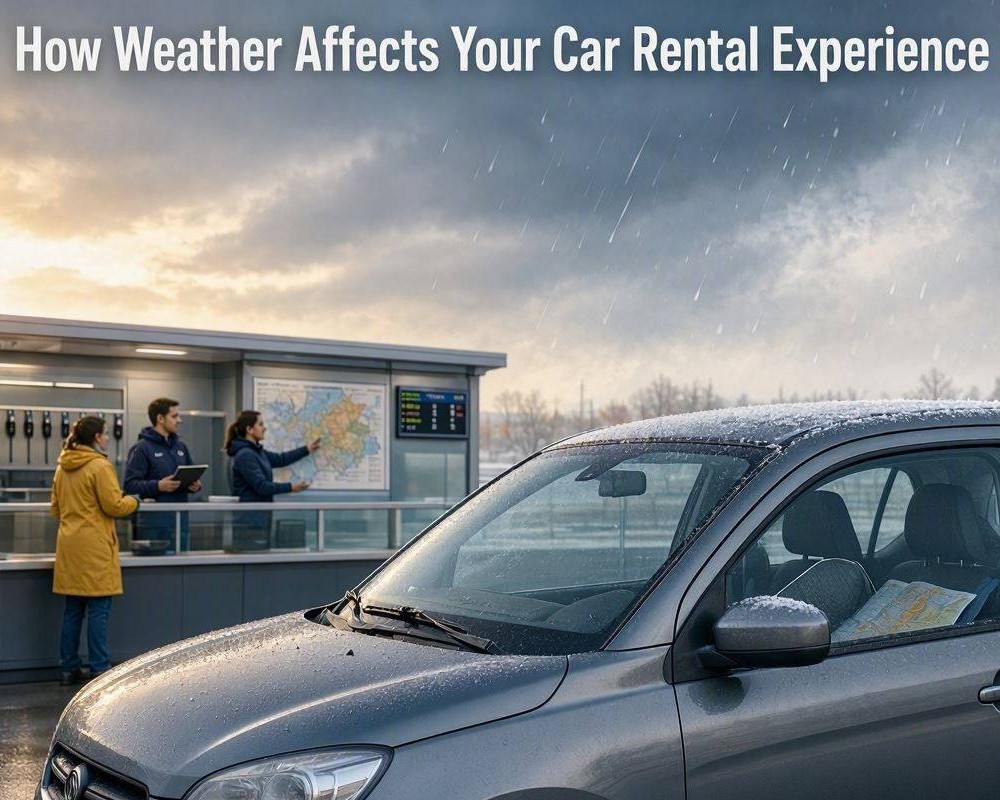
Allow extra travel time in poor conditions and avoid relying solely on navigation apps. A suggested road may be closed, unpaved, flooded, or restricted to vehicles with chains. Follow official weather alerts and local transport authority updates.
Before returning the car, remove excessive snow, mud, and debris so staff can inspect it. Refill fuel earlier than usual during a storm, since nearby stations may close or become crowded. For electric rentals, identify several charging options because cold temperatures can reduce range and severe weather may affect charger availability.
Plan for Conditions, Not Just Distance
A successful rental depends on more than selecting a car and comparing prices. Matching the vehicle to the forecast, understanding insurance exclusions, documenting its condition, and building flexibility into your schedule can prevent costly problems. Weather cannot always be predicted precisely, but thoughtful preparation makes changing conditions easier and safer to manage.
