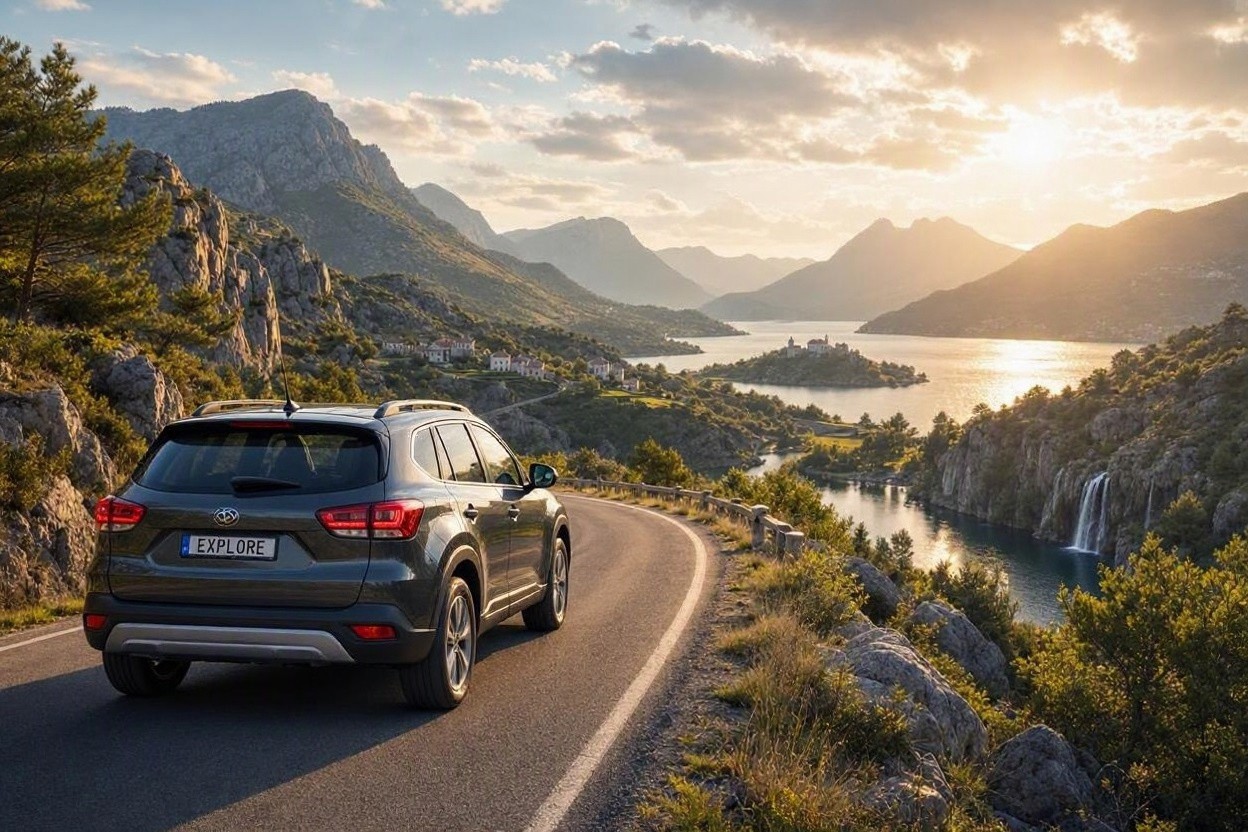
Popular tourist attractions are often the first places travelers visit, but some of the most memorable experiences can be found far beyond crowded city centers and famous landmarks. Small villages, secluded beaches, mountain viewpoints, historic ruins, local markets, and quiet nature reserves may not be easily accessible by public transportation. This is where a rental car can completely change the way a trip is experienced.
With a car, travelers are not limited to fixed bus schedules or railway routes. They can create their own itinerary, stop whenever something interesting appears along the road, and reach destinations that are rarely included in standard tourist guides. Car rentals can therefore serve as a gateway to the less obvious side of a destination.
Freedom to Leave the Tourist Route
Public transportation is usually designed to connect major population centers and popular attractions. Smaller destinations may have infrequent buses or no convenient connection at all. A rental car removes much of this limitation.
Instead of spending an entire day following a predetermined route, travelers can drive toward places that interest them personally. A historic village, remote lake, countryside restaurant, or panoramic mountain road can become part of the journey without requiring complicated transfers.
Discovering Small Villages
One of the greatest advantages of having a car is the ability to explore rural areas. Small villages often preserve traditional architecture, local customs, family-owned businesses, and regional cuisine that are difficult to experience in major tourist centers.
Driving between villages also turns transportation itself into part of the vacation. Narrow country roads, vineyards, forests, farmland, and mountain landscapes can provide memorable scenery that would otherwise remain unseen from a train or bus.
Finding Hidden Natural Attractions
Many spectacular natural locations are located away from major transportation networks. A secluded waterfall may require a drive followed by a short hike. A quiet beach might be several kilometers from the nearest town. A mountain viewpoint may only be accessible by a winding regional road.
A rental car makes these places much easier to incorporate into an itinerary. Travelers can also arrive early in the morning or later in the afternoon, avoiding the busiest periods at popular destinations.

Creating Scenic Road Trips
A rental car is particularly valuable when the journey itself is part of the adventure. Instead of choosing the fastest route between two cities, travelers can select scenic roads that pass through interesting landscapes and lesser-known communities.
Coastal highways, mountain passes, forest roads, and countryside routes can turn a simple transfer into one of the highlights of a trip. Travelers can stop for photographs, local food, short walks, or unexpected attractions whenever they wish.
Access to Authentic Local Experiences
Tourist districts tend to contain restaurants, shops, and entertainment businesses designed specifically for visitors. Driving farther away can reveal a very different side of the destination.
Small family restaurants, farmers' markets, independent workshops, regional festivals, and local producers may offer more authentic experiences. Even a short drive outside a major city can sometimes make the difference between seeing a destination as a tourist and experiencing it more like a local.
Planning a Rental Car Adventure
Exploring hidden attractions still requires some preparation. Before renting a vehicle, travelers should check driving regulations, insurance coverage, parking conditions, fuel availability, and road quality.
It is also useful to download offline maps. Remote areas may have limited mobile coverage, and relying entirely on an internet connection can become problematic. Travelers should also leave enough time for unexpected stops rather than creating an itinerary that is too tightly scheduled.
- Research smaller destinations outside major tourist centers.
- Check road conditions before visiting remote areas.
- Download offline maps and navigation information.
- Choose a vehicle appropriate for the terrain.
- Allow extra time for scenic stops and unexpected discoveries.
- Check local parking and driving regulations.
Choosing the Right Rental Car
The ideal vehicle depends on the destination. A compact car is often the best option for historic cities and narrow rural roads because it is easier to park and maneuver. A larger vehicle may be preferable for families or long road trips, while a vehicle with greater ground clearance can be useful in areas with rough roads.
There is usually no reason to rent the largest or most expensive car simply for comfort. The most useful vehicle is one that matches the roads, weather, passengers, and luggage requirements of the trip.

Going Beyond the Guidebook
The real value of a rental car is not simply getting from one attraction to another. It is the freedom to discover places that were never part of the original plan.
A roadside viewpoint, a quiet village café, an old stone bridge, or a nearly empty beach can become a favorite travel memory precisely because it was not crowded or heavily promoted. Renting a car gives travelers the flexibility to follow curiosity rather than a fixed itinerary.
Conclusion
Car rentals can transform an ordinary vacation into a much more flexible exploration of a destination. They provide access to hidden attractions, rural communities, scenic roads, natural landscapes, and authentic local experiences that public transportation may not reach conveniently.
With sensible planning and the right vehicle, travelers can move beyond the standard tourist route and discover a destination at their own pace. Sometimes the most memorable part of a trip is not the famous landmark at the end of the road, but what you find while getting there.
